About Lesli W.

Yogini, photographer, writer, wanderer, wonderer, philosophizer, dog's best friend, reluctant but sometimes sparkly introvert, curious one, believer in magic.

Madagascar marvels part III: What’s this tsingy?

After 10 days of sun and salt and sharks and palms, I did the Malagasy version of planes, trains and automobiles (pirogue and taxi and speedboat and 4×4), meeting up with a local guide and driver to see the national parks in the north of the country. On that first day, I had a bit of shell-shock with a 10 hour drive on terrible, not-quite-paved roads, from the port of Ankify to area near Joffreville. En route, I am sure I inhaled half a kilo of red clay dust, had a pit stop in one of the most unusual outdoor toilets Iโ€™ve ever experienced, and fully realised the value of a sea breeze as we drove towards dry season in the interior (hint: 39C feels quite different inland v the coast!).

I spent the hours in the car with a travellerโ€™s guilt: the conflicting feelings of being privileged in affording this kind of trip while simultaneously observing straggly stick homes with no running water, outhouses, skinny zebu, over-farmed land; but also thriving local markets, self-sufficient small villages, and wide beaming smiles on everyone I encountered. I consider how complicated life back home is in comparison.

On this first day, a โ€œtravel dayโ€, the saving grace was a quick stop for a nature thingy, a tsingy called Tsingy Rouge. You leave the main highway and wend through a maze of sand and clay-dirt roads to reach it, diggers and roadwork vehicles everywhere. Theyโ€™re digging and paving in the name of modern infrastructure. As I watched the small rustic villages go by through my window, I considered whether modernization is really worth it. Water, yes. Sanitation facilities, of course. But the chaos these new roads will bring, and the tourismโ€ฆ can the ecosystems sustain the influx?


Tsingy was a new term for me. In Malagasy, it means โ€œthe place where one cannot walk barefoot.โ€ As I was to learn, so named for good reason.

Tsingy Rouge is Madagascarโ€™s miniature Grand Canyon. Itโ€™s a red (rouge) geologic marvel, formed of eroded laterite and looks like some prehistoric giant played sand castles and then got bored half-way through. It reminded me of a cross between a model of Bryce Canyon and a salt mine, out in the open even though it looks like the bottom of a cave. This place looks like it should be underwater โ€“ and it probably was, a million or so years ago โ€“ the formations were carved by the riviรจre Irodo.

At the time, I was road weary and dusty from the drive, but the short walk down into the tsingy and then the sight of some gray-headed lovebirds nesting in the red clay helped me reset. At the lodge that night, I chalked (clayed?) the day off to what it was, and delighted in the thought that tomorrow weโ€™d be hiking through Parc National Montagne D’Ambre, Amber Mountain, and the hunt for chameleons would begin in earnest.

Zoom in on this map to see the different places I visited during the trip.

A slight detour about the climate of Madagascar. As the 4th largest island on this planet, Madagascar is simply enormous. So the country encompasses rainforest through savannah, with a dry season (of which we were at the end) and a rainy season. From zebu to man-on-the-street, it seemed like everyone was looking forward to the rains! In a recent article, The Guardian highlights that these inconceivable temperatures are a clear result of climate change. Entering Amber Mountain was like travelling through different worlds. On the one hand, it was hot and humid, and as we got into the forest the air turned almost sweet. On the other hand, it was so dry that the riverbeds were completely dried up and one of the waterfalls we were to see, there was not enough water for it to actually fall. I was thankful for the lush forest canopy to provide shade.

We hiked to the Cascade Sacrรฉe (Sacred Waterfall) and the Mille Arbres (Path of a Thousand Trees) trail, all the while feeling ensconced in a terrarium separate from the hot and humid outside world.

Montagne Dโ€™Ambre feels like its own bioverse, with endemic birds, lemurs and chameleons found specifically in this reserve. It was very cool to actually find some of these critters, including the Amber Mountain rock thrush, the Amber Mountain chameleon, and the very adorable and teeny Mount Dโ€™Ambre leaf chameleon (note how small he is on my hand!). While not exclusive to Amber Mountain, the endangered Sandford’s brown lemurs were an amazing find, as was the very weird and master of camouflage leaf-tailed gecko (can you spot it in the last photo in this slideshow?).

Possibly the highlight of the day came as we were exiting the park and really more focused on lunch than seeing any more critters, since the day was already full of such wonderful sightings. As we were driving down the main reserve road, we spotted a beautiful little pygmy kingfisher perched on a branch where he gave us a fantastic view of his bright plumage.

Of all the wildlife experiences on this trip, I think this one wins for the most unexpected sighting. The grin and sheer joy on my guide’s face at the sighting was absolutely priceless.

And, no, I didnโ€™t get a photo of that.

This concludes our tour of Parc National de la Montagne D’Ambre. Stay tuned for Part IV including the most horrible thing in Madagascar and why you need shoes. In other words, next up is hiking in the tsingys of Ankarana.

Madagascar marvels part II: Idyllic islands and land-based critters

As if spending a week spotting whale sharks wasnโ€™t enough!

Another aspect of the first half of the itinerary was to experience some of the other flora and fauna in and around Nosy Be. So one morning we set off to see Nosy Tanikely, a marine reserve with a lovely, preserved reef. We snorkeled there for a bit before heading farther out to look for more whale sharks.

Back at Sakatia, afternoons were for napping or swimming with giant green sea turtles in the sea grasses by the lodge. Alternately, there was a lot of nothing to do if one was so inclined. In hindsight, Iโ€™m meshing together days here and calling out highlights because I stopped trying to keep track of sightings and particulars as the days melted into one under the hot sun. There was the afternoon I was sitting on the porch of my bungalow when two chickens very deliberately climbed the steps to have some water from my foot pail. There were brilliant sunsets overlooking the little sacred forest. There were early morning walks in the mangroves at low tide.

On another morning, we were up and out early to get to a remote island called Nosy Iranja, a 3-hour boat ride out into the waters of the Mozambique Channel. We spotted fewer whale sharks as we entered the deeper (and choppier) water, but as we travelled, a pod of spinner dolphins joined us to play in the boatโ€™s wake. And as we approached Iranja, we watched as a humpback whale family (mom, brand new calf, and dad) slowly cruised through the water, making their way out to sea (and apparently towards Antarctica); the baby getting used to its giant fins, slapping and playing in the water as they swam.

As if the magic of the sea creatures wasnโ€™t sublime enough, we approached the beach where we were to spend the night in beachside โ€œtentsโ€. Pictures cannot do the setting justice, but close your eyes and imagine the whitest sand beach you can conjure, the warm turquoise waters painted in a rainbow of blues. We walked through a small village, up to the phare (lighthouse) at the top of the island, then down the other side to watch the sunset by a spit where at low tide one could walk across to yet another teeny island to hide away from the world. The mojito on the beach felt like an indulgent cherry on top.

Our last day was spent on dry land, taking a walk through the paths in Parc National de Lokobe. Lokobe occupies most of the southern tip of Nosy Be and is home to 72 species of amphibians and reptiles, 48 species of birds, and even 2 species of lemurs that are considered microendemic to Nosy Be: the Nosy Be sportive lemur (you can see them in the photos below), and the Nosy Be mouse lemur.

After a (frankly, unexpectedly hard) paddle out to the entrance via local wooden canoe called a pirogue, we entered the park to find more flora and fauna. Here, we saw a tree boa and other snakes, a variety of chameleons, and lemurs โ€“ including the very little and very adorable mouse lemur, who we saw curled up and sleeping in some palm fronds. Plied with a local lunch and plenty of fresh, ripe, mangoes (and jackfruit!), the group unanimously determined the outing (as well as the sea tow back to where we started) a roaring success.

Did you miss Part I of this adventure? Click here. Next stop: the mainland!

Madagascar marvels Part I: Sharks and palms

About 6 years ago, before the world went sideways and back when I had a regular habit of diving in far-flung places, I stumbled upon a post by a marine biologist with the Marine Megafauna Foundation talking about research he was doing on whale sharks in general, and in Madagascar in particular. The Mozambique channel is a whale shark hotspot, and apparently it was discovered that a particular stretch of ocean around Nosy Be had similarly attracted a large and healthy population. With whale sharks, both fortunately and unfortunately, comes tourism. So I was happy to see that an environmentally-aware wildlife travel company called Aqua-Firma partnered with MMF scientists to mix research with eco-conscious travel and came up with a formula to respectfully send willing adventurers to watch (and play) while the scientists did some of their work. I wanted in! It took 6 years, 2-1/2 of which Madagascar was closed to foreigners due to Covid, but I made it happen (and then someโ€ฆ).

I was to learn that locally, the Madagascar Whale Shark Project was well under weigh. Founded by the amazing Stella Diamant, the Project is leading research, education, and conservation efforts on the ground (and in the water) to study and protect these amazing creatures in and around Nosy Be and other areas of Madagascar.

Overall, I was in Madagascar for about 3 weeks. Hereโ€™s my telling of the adventure in several parts.


Sharks and palms: A fine line between ecotourism and impact

It starts on a tiny island in the Indian Ocean called Nosy Sakatia. Sakatia is just off Nosy Be, which is off the north-westerly end of Madagascar (which is in the Indian Ocean, off East Africa). The northwest of the country is littered with these idyllic white-sand tropical islands. Itโ€™s on one of these that Part I of my adventure was to start: 10 days at a little oasis called Sakatia Lodge for the above-mentioned whale shark trip.

Nosy Sakatia has its own sacred forest in which black lemurs, fruit bats, chameleons and other critters live. There are no carsโ€ฆand an unwritten no shoes policy. In other words, my kind of place. So I arrived there a couple days before the itinerary was to begin in earnest to shut the rest of the world out, get some dives in, and take much-needed naps in the tropical air. Sakatia lies roughly 13ยฐ below the equator, so itโ€™s late spring here, the opposite of the impending dreariness of autumn back home. The lodge resides in a small bay that opens to the waters between Nosy Be and the Mozambique channel proper.

A portent to the days to follow came in the form of a sighting of a small humpback whale greeting us in that little bay to say good morning before our first dive. Getting back in the water after not diving for nearly 4 years was like coming home.

Itโ€™s hard to explain diving to a non-diver, but it was like reinflating something within myself that had dried out. Just making bubbles underwater again felt like a gift. Iโ€™m happy to report that the corals are in remarkable shape, and although warming, the waters and its denizens seem to have withstood many of the fates of much of the (over-) developing world. So I spent 2 days diving: small reefs and sandy plateaus and even a small wreck that gave way to one of the most gorgeous coral gardens Iโ€™ve ever seen. I clocked my 200th dive on this trip, so it felt significant to dive with a team that appreciated the sheer joy of diving and natural wonder more than just delivering a guest experience. During the week, Iโ€™d do a couple more: a night dive and a final early morning dive on an exquisite reef that could double as a work of art. Back on the boat, I remarked to another diver that it looked like someone painted what a reef should look like.

On the evening of my 3rd day there, the rest of the group arrived: our fearful trip leader, an assortment of Brits, Scots, and Americans, and Stella, our whale shark researcher for the week. A genial group, some divers, some not, and even a couple on their honeymoon! Fingers crossed that the shark gods would deliver.

Lights out came early for me and I slept like a log, the dreamless sleep of recovery from 6 months of going non-stop. I woke most mornings with the sun. I was beginning to feel more human.

That’s me. Photo courtesy of Stephen Burgess @UW_Burgess

How to hunt for sharks

The daily plan was to head out into the sea after breakfast, in search of circling seabirds and tuna leaping on the surface, a froth that indicates bait balls of sardines and other tiny fish schooling in the waters below. In this part of the world, whale sharks feed on these tiny fish, so where thereโ€™s a bait ball thereโ€™s usually a whale shark.

ID: Each shark has a unique pattern, like a fingerprint. So for research, they are looking to identify resident and new sharks against the sharks in the Sharkbook international database. This is done by observing an area just over the left fin. Part of the process is easing into the water near the shark in order to get close enough to get an ID photo (the experts freedive), and when possible, the researchers attach tags: flagging and tagging, as it were. The wonder of it all is the work between the boat driver, the guide and the scientist to spot the bait balls and spot the shark and position the boat (quickly and safely) so we have the best chance to get in the water and see the animal. Itโ€™s all done quite orderly and safely, but seems a tad chaotic with the excitement never seeming to wane as we find shark after shark each day. Weโ€™d locate a shark, enter the water gently, and swim to (and with) the animal, in awe of each giant mouthful of teeny fish, of every elegant swim-by. It is breathtaking to watch the grace of these massive fish โ€“ and the ones here by Nosy Be are small in comparison (5-10 metres vs. more mature whale sharks that can be up to 15-20+ metres long).

Over the 5 days we were at sea, we spotted a total of 15 unique whale sharks (all male, as they trend in these waters) and a whopping 7 that the Project hadnโ€™t previously identified. Fun fact: 9 of our sighted sharks were the first sighted this year (yay, us!). One shark, Ernest, has been a regular here for years…he was first identified in 2015.

To throw in bonus critters, we also saw mobula rays, two mantas, turtles, and schools and schools of the tiny baitfish that are so critical to the food chain for these marine giants. To date, and through the Project, there have been over 500 individual whale sharks identified in the waters off Nosy Be. When tags are deployed, they can be tracked and monitored for feeding and migration activity. It feels like they are doing important work to protect these gentle giants. Iโ€™m glad to have contributed minorly to the efforts.


I am so grateful to have spent this time here, but Iโ€™ll be honest, Iโ€™m worried about the sharks. Because if we were 10 people on a boat doing things the right and responsible way, there are or will be 10 boats that donโ€™t. Research is important. So is education and conscious action and leaving soft footprints in the sand rather than the harsher kind. People like Stella and the Madagascar Whale Shark Project and the caring folks at Les Baleines Randโ€™eau are leading efforts to ensure this goes the right way. Read more about what theyโ€™re doing here.

Iโ€™ll be back there, of that Iโ€™m sure. Itโ€™s one of these places that works its way into your heart, delivering turquoise-infused dreams. Or maybe it was just the rhum arrangรฉ.

Shameless plug for conservation sake: via the Madagascar Whale Shark Project’s website you can make a donation, adopt a whale shark, or even name a whale shark!

I’ll close Part I here for now. Stay tuned for the rest of the aquatic (and land) adventures!

How to eat an elephant: on riding 90 miles in Vermont on a rainy long weekend in July*.

*Note: no elephants were harmed in the writing of this blog post.

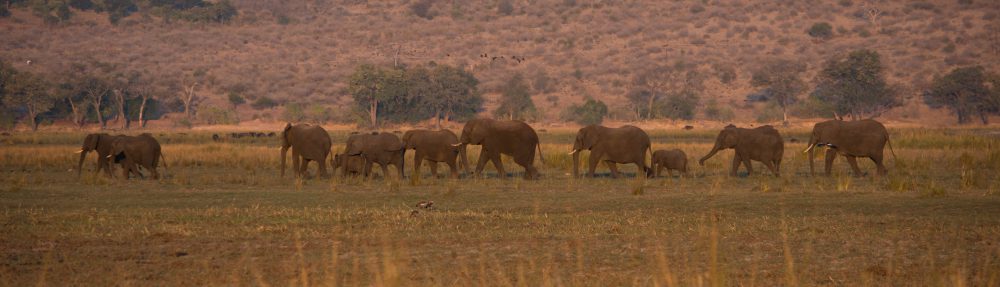
Desmond Tutu famously said that it is best to eat an elephant one bite at a time. Having spent a small amount of time in the presence of elephants and much of my life as a vegetarian, it is ill-advised (the food choice, not the lesson).


Several weeks ago, a friend and I started talking about distance cycling and bike-packing. Heโ€™s a long-haul kind of cyclist, where I am a weekend warrior, riding 5 or 10 miles, sometimes 20 or 30, depending on my mood. Iโ€™ve done a handful of 40+ mile (~64km) rides, but with no consistency or methodology. So when we started talking about the Cross-Vermont Trail, which had recently added a new bridge and some additional bike path sections, the ride sounded long but nice. It was more of a passing conversation and felt like more of an aspiration to me.

Somehow, the conversations turned into reality, then gear accretion. So now I was the proud owner of panniers and a new light set (add, later, fenders and additional rain gear!). And if you have the equipment, well, you’ve got to use it…


The Cross-Vermont Trail is a self-described โ€œpatchwork quiltโ€: ~90 miles (~145km) in 12 stages of trail and road, stitched together to traverse Vermont and follow the Wells and Winooski rivers from the town of Wells River to the banks of Lake Champlain in Burlington. It goes along gravel roads and wooded fire roads, country lanes, scenic bike paths and (where absolutely necessary) routes 2 and 302. Click here to see the route in its entirety.

4th of July weekend seemed to be a good opportunity to take a stab at it. In my head, weโ€™d do it in cozy legs: 30 miles a day, see some pretty covered bridges, eat some ice cream, do a little antiquing and town-wandering in between the segments. The plan evolved to riding it in 2 legs, bisecting the journey in Montpelier (note: pronounced โ€œmont-peel-ierโ€ to my non-native New England dismay and discomfort).

Reality: more legs than ice cream. Add in the gods of inopportune monsoons piling their own thoughts onto the subject.

So we ended up riding the first half (~40 miles or so) on day 1, somehow dodging the showers that were forecast; even seeing some much-appreciated breaks of sun. The ride was mostly pleasant: pine and gravel fire roads through old rail trail sections, manageable hills, nice river views, and few people about. Okay, there was the very stupid wipeout after I lost traction on a washed out sandy patch (a mere flesh woundโ€ฆ). And there was the sketchy stretch of route 2 in Marshfield or Plainfield with fast traffic, a surface that had been graded for repaving, and tight, gravelly shoulders which made for a nerve-wracking 10 or so miles (especially after one big truck with a trailer made a WAY too-close-for-comfort pass).

Perseverance pays off, though. Entering the charming city of Montpelier proper via their carefully-manicured bike path, wending across old railbeds, then riding squarely through the center of town, made the band-aided knee and those scary asphalt memories melt in moments!

Between the lingering haze from the Canadian forest fires, the heavy clouds, and what felt like 900% humidity, that night the air felt impending. Impending What was the question. We didnโ€™t want to find out, so made the decision to wait out the rain, spend an extra night here, and play tourist for a day in Montpelier (mont-peel-ier).

Montpelier was quiet. Eerily quiet, in fact. We had passed the Barr Hill distillery on the way in, lending itself to ideas, as did the post-ride bees knees cocktails. So to dodge raindrops, we wandered around the city, visited Barr Hill for history and honey gin (their story is worth a visit on its own), and took in a weird matinee (Asteroid City) at the adorable Savoy theatre (their real buttered popcorn is also worth the visit!). I canโ€™t imagine a better way to spend a rest day.

The ride: Day 2

When the early morning wake-up call featured light showers, I was worried that the day might be a washout that would see us pedaling for 11 hours in the rain. But somehow we again dodged the worst, and by 7:30 the streets were drying and the showers stayed at bay.

I donโ€™t know which leg of the ride I enjoyed more. The 2nd half was more road than trail, but the roads were dirt or gravel and transported us through farms and quaint neighbourhoods, over wooden bridges and along the Winooski river. In some spots the hills won, and my pride hurt more than my legs. Climbs aside, the ride โ€“ roughly 50 miles of it โ€“ was rewarding and inspiring in so many ways. Iโ€™m grateful to the weather for cooperating. Iโ€™m grateful to my riding partner for being patient and supportive and funny. Iโ€™m thankful for the CVT association for building such a nice trail network. We encountered smiling cyclists and courteous locals throughout the day, even a trio from Canada who were on day 9 of a huge loop through Vermont and Mass.

Thereโ€™s always an elephant. Take small bitesโ€ฆ

The bites: I spent the 2 weeks prior to the trip dodging raindrops at home, stealing short rides when possible, and pounding on a trainer in my living room after work (saddle-time, as it were). I took what was in front of me on each leg of the ride and tackled each section of the ride: the rolling hills and gravelly and slippery parts, even the hardest climbs, one by oneโ€ฆ It wasnโ€™t the longest ride ever, or the most difficult, but when we finished with a quick view of Lake Champlain and were met (us sweaty and probably a little stinky), by a smiling chatty driver who piled the bikes in the rear of the van and shuttled us back to the car in Wells River, it all felt just a little bit perfect.

The skies opened up during the car ride back, and I thought, as we watched a bear run across the highway and the postcard-esque New England scenes flash by: I feel good. I’d like to do this again.

Isn’t it ploverly?

Last summer, I signed up to volunteer at the Parker River National Wildlife Refuge. Each year, the endangered piping plover comes back to the shores of the Atlantic to nest and breed. Currently, it’s thought that there are only roughly 8,000 remaining. In. The. World. So it’s significant that nearly 25% of those come back to my home state to nest.

Papa piping plover, checking me out as he forages for lunch

Parker River each year runs a Plover Warden program to help protect their nesting grounds. Largely, we are the hall monitors of the beach, reminding beachgoers (despite the GINORMOUS signs) that the beach is closed. The 6-mile stretch of pristine beach with its protected dunes is perfect nesting grounds, hence the beach is closed from the beginning of April each year through early August (even through greenhead season!), or when the last of the fledglings go. Only 1 of 4 eggs make it from nest to flight. In short, it’s our job to help them get there.

My first encounter on my first day last year included a pair of entitled locals and their dog who were indignant that they were not allowed to walk down the pristine beach. But you can’t even see the nests, local Karen said. Ken piped in and asked when the wardens’ hours were. Hand on my walkie-talkie, I persuaded them to cooperate, and they finally relented. It is Federal land after all. Nor are dogs allowed.

The guy with the drone was nicer, but still confused as to why endangered birds, whose primary predators come from the sky, would feel ruffled by an ominous robotic sky creature humming around and spying on them from the blue.

This year’s encounters have been more tame. In my official volunteer t-shirt and fluorescent hat, I’ve been able to ward off most would-be violators just by being a tad obvious, and most people I’ve encountered are genuinely curious – some even passionate – about the birds. Not so much the obnoxious college kids camped out in pop-up tents just beyond the (again GINORMOUS) signs, feigning ignorance when nabbed by the plover police, “we thought nobody was checking.”

So far, we have about 33 nesting pairs, with 16 or so active nests after some storms and predators took out a swath of nests. This weekend, the refuge noted that some hatchlings have emerged. Over the next weeks we’ll expect the little fuzzits to begin scooting around the beach. This little guy is from one of last year’s broods that, sadly, didn’t make it after a spate of coyote binges.

So if you encounter a sign, a volunteer, or even just a plover… please tread lightly, as nests are camouflaged and the little ones need as much help as possible. No kites, no dogs, no bikes, no feet… just for a few more weeks to give these guys a fighting chance at fledging!

Zoom in… can you spot the plover sitting on its nest in this photo?

Watch this space. I’m hoping to get some plover-ific pics as the little ones emerge.